
Quick answer
The best months for cycling in Central Europe are May, June, and September. June offers the ideal balance of long days, warm weather, and manageable crowds. May is beautiful and uncrowded but can be cool and wet. September brings harvest atmosphere and golden light with fewer tourists than summer. July and August are perfectly rideable but hot and crowded on popular routes.
Who is this for
This guide is for anyone planning a cycling holiday in Central Europe — specifically on routes like the Danube Cycle Path, Prague to Vienna, and the Czech river valleys — and trying to choose the best time to go. We cover each month’s conditions, crowd levels, accommodation availability, and specific considerations for the main routes.
Month-by-month breakdown
May
Temperature: 15–22 C | Rain: Moderate | Crowds: Low–Moderate
May is a hidden gem for cycling in Central Europe. The trails are almost empty, the Wachau apricot orchards are in blossom (typically the last 2 weeks of April, sometimes extending into early May), and the countryside is at its greenest. Accommodation is easy to book and often cheaper than peak summer.
The downside: May weather can be unpredictable. Cold nights (8–12 C), occasional rain, and some years a late cold snap in the first half of the month. Pack warm base layers and a good rain jacket, and your chances of a brilliant trip are high.
June
Temperature: 20–26 C | Rain: Low–Moderate | Crowds: Moderate
June is our top recommendation for most cyclists. The school holidays have not yet started (outside of some German states), so the popular routes are busy but not overwhelming. Temperatures are warm and pleasant, days are long (16+ hours of daylight at the solstice), and afternoon thunderstorms are less frequent than in July–August.
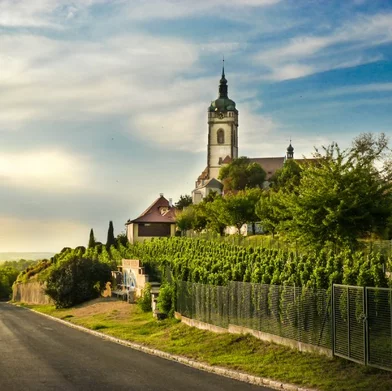
The Wachau wine region is beautiful in June — the vines are growing but not yet harvested, the riverside taverns are open, and you can sit outside every evening. For families, early June offers the chance to travel before school holiday pricing kicks in.
July
Temperature: 24–30 C | Rain: Occasional thunderstorms | Crowds: High
July is high season. The Danube path between Melk and Vienna is at its busiest — you will share the path with many other touring cyclists, day-trippers, and leisure riders. Accommodation needs to be booked well in advance (ideally 4–6 weeks ahead, longer for popular stages like Durnstein and Melk).
Temperatures can reach 30–32 C in the afternoons, particularly in the sheltered Wachau valley. The strategy most experienced cyclists use: start early (7–8 am), ride until 1–2 pm, then relax during the hottest part of the day. Days are still long enough that this leaves plenty of evening time.
August
Temperature: 24–30 C | Rain: Occasional thunderstorms | Crowds: Very high
August is the busiest month. School holidays across Central Europe, Scandinavia, the Netherlands, and France all overlap in August, and the popular river routes feel it. Prices are at their peak and availability is limited — for a late August trip, book 6–8 weeks ahead minimum.
The conditions themselves are fine for cycling: warm, mostly dry, and long days. If crowds don’t bother you and you are booking well ahead, August trips are perfectly enjoyable. The evening atmosphere in Wachau wine taverns and riverside beer gardens is hard to beat.
September
Temperature: 18–24 C | Rain: Low | Crowds: Low–Moderate
September is our second recommendation, especially the first three weeks. Temperatures drop to a very comfortable 18–23 C, the harvest season is in full swing (wine, apples, pumpkins), and the golden light makes photography exceptional. Crowds thin significantly after the first week.
The Wachau in September is transformed: grape harvest begins mid-September, local wine cellars (Heurigen) open their new wines, and the whole valley smells of fermenting grapes. If you care about food and wine, September cycling through this region is a highlight experience.
Note: from mid-September onwards some ferries reduce frequency and a handful of smaller guesthouses close. Check availability before booking the last 2 weeks of September.
October
Temperature: 12–17 C | Rain: Moderate | Crowds: Very low
October is possible but not recommended for first-time visitors. Shorter days (dark by 6:30 pm), cold mornings, increasing rain, and many riverside accommodation options closing from mid-month make planning difficult. Experienced cyclists who enjoy atmospheric late-season riding can find October very rewarding, but it requires more research and flexibility.
Key considerations by route
Danube Cycle Path
Peak crowds in July–August on the Melk–Vienna section. Best in June and September. The Austrian section is pleasant in May but some smaller guesthouses open only from June.
Prague to Vienna
The Czech section is less affected by peak season crowds. Any month from May to September works; September is particularly beautiful in the Vltava valley.
Practical tips
Booking ahead
For July–August travel, book accommodation 6–8 weeks ahead minimum on the Danube path. For May, June, and September, 2–3 weeks ahead is usually sufficient outside of public holiday weekends.
Weather apps
The Central European weather pattern means mornings are usually clear and afternoon thunderstorms are possible in July–August. Plan your riding for the morning, and use the weather app ZAMG (Austria’s official meteorological service) for reliable local forecasts.
Recommended tours
Our tours run from May through September with departures on all major routes. We can advise on the best departure date for your specific priorities. Browse our tour calendar for available dates.