Quick answer
The Danube Cycle Path from Passau to Vienna (approx. 320 km) is rated easy-to-moderate. The route is predominantly flat with a gentle downstream gradient, almost entirely on dedicated cycle paths, and accessible to any reasonably fit adult including beginners and older cyclists. The main challenge is daily distance management rather than hills or technical terrain.
Who is this for
This guide is for anyone wondering whether the Danube Cycle Path matches their fitness level. The short answer: if you can comfortably ride a bike for 2–3 hours on flat ground, you can do this route. Most cyclists with no long-distance touring experience complete it in 7–9 days with daily distances of 40–55 km, and describe it as genuinely achievable rather than punishing.
Terrain and elevation
The Danube Cycle Path follows the river downstream from Passau to Vienna. Downstream means the gradient works in your favour — the river drops gently, and so do you. Total elevation gain on the Passau–Vienna section is typically 400–600 m over the full 320 km, which averages out to less than 2 m of climbing per km. On most days you will barely notice a hill.
The exceptions are a handful of short climbs where the path leaves the riverbank to pass through a village or vineyard. These are never longer than 1–2 km and never steep enough to require anything other than a low gear.
The Wachau section
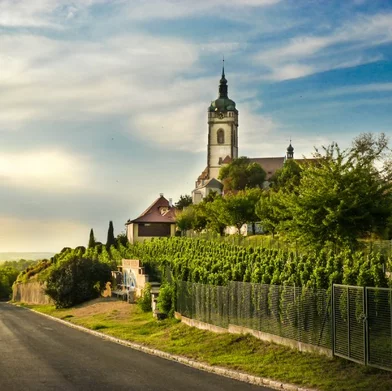
The most scenically dramatic section — the Wachau wine valley between Melk and Krems — is also among the flattest. The path runs directly along the riverbank through terraced vineyards, with the ruins of Durnstein Castle visible above. This 35 km stretch is the highlight of the whole route for most cyclists.
Path surface and quality
The vast majority of the Passau–Vienna Danube Cycle Path is asphalt. A small number of sections use compacted gravel, which is perfectly comfortable on a touring or trekking bike with 35mm+ tyres. Road bikes with narrow tyres are not ideal but manageable; mountain bikes work perfectly.
Path quality is excellent throughout Austria and very good in the German section near Passau. The path is wide enough that faster and slower cyclists pass each other easily, even in the busier summer months.
Daily distance and effort
- Comfortable beginner pace: 35–45 km/day, 7–9 days Passau to Vienna
- Moderate pace: 50–60 km/day, 6–7 days
- Faster touring pace: 70–80 km/day, 4–5 days
Most organised tours use 40–55 km daily stages, which for a flat river route means 2.5–4 hours of actual riding time. You will have plenty of energy left to visit abbeys, wine taverns, and riverside towns along the way.
E-bikes on the Danube
E-bikes are extremely popular on this route, and rental is widely available. An e-bike makes the occasional headwind (the Danube valley can funnel wind) entirely manageable and lets less-fit cyclists keep pace with stronger partners. Battery range is not a concern on this route — even a modest e-bike will cover a full day’s stage on one charge, and charging points are available at almost every hotel.
When to go
The route is rideable May through October. June and September offer the best balance of good weather, manageable temperatures (20–26 C), and fewer crowds. July and August are popular but can be hot (30 C+) in the afternoons — start early and finish by 2 pm on hot days. October is beautiful (golden light, harvest season) but some hotels and ferries close from mid-month.
Practical tips
Bike choice
A trekking or touring bike with 35mm+ tyres is ideal. Hybrid bikes work well. Road bikes are fine for the asphalt sections but uncomfortable on gravel stretches. Bring a good saddle, cycling shorts, and gloves — comfort matters more than speed on a multi-day tour.
What to watch out for
The main hazards are: headwinds (especially in the Wachau gorge), busy weekends in July–August between Melk and Vienna, and the occasional unmarked detour due to path maintenance. None of these are serious obstacles, but knowing they can occur means you won’t be caught off-guard.
Fitness preparation
You do not need to be a trained cyclist to do this route. If you can manage a 2-hour bike ride without stopping, you are ready. A few weeks of regular riding before departure — even 30-minute sessions three times a week — will noticeably improve your enjoyment in the first few days.
Recommended tours
Our Danube Cycle Path tours cover the classic Passau–Vienna route in 7 days, with all accommodation, luggage transfer, and route support included. Available as self-guided or fully guided — see our Danube tours for current dates and prices.