
Quick answer
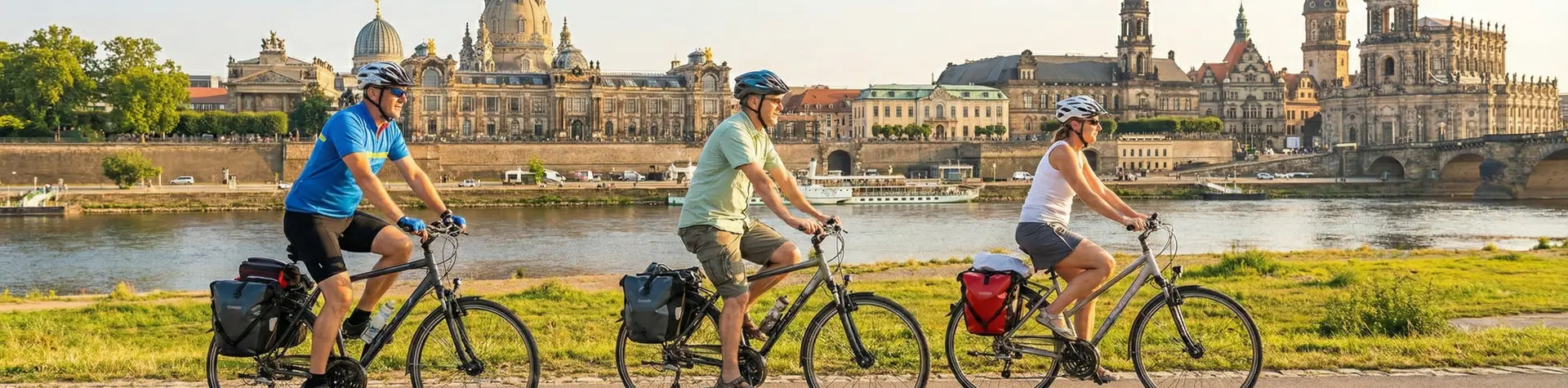
Luggage transfer means a van collects your main bag from your morning hotel and delivers it to your evening hotel, arriving before you do. You ride each day with only a small daypack containing your daily essentials. The service is included in most organised cycling tours in Central Europe and is the single feature cyclists most consistently say improved their trip.
Who is this for
This guide explains luggage transfer for cyclists booking a supported tour for the first time — what it includes, how it works logistically, what bags are appropriate, and what you carry yourself each day.
The basics: how it works day by day
The logistics are straightforward. Each morning at your hotel, you leave your main bag in a designated collection area (typically the hotel lobby or a marked spot outside) by an agreed time — usually 8:30 or 9:00 am. The tour operator’s support van collects all bags from that hotel and drives to the next accommodation. Your bag is waiting in your room (or at reception) when you arrive, typically by 2–4 pm.
The only thing you carry during the cycling day is your daypack: water, snacks, rain jacket, phone, sunscreen, tools, and whatever you want to have on hand. This is typically 4–6 kg — lightweight enough to barely notice on your bike.
What luggage is suitable
Soft bags vs hard suitcases
Most operators prefer soft-sided bags or duffel bags. They stack more easily in the van and are less likely to damage each other or your other belongings. Hard-shell suitcases are usually accepted but check with your specific operator — some have size or weight limits that a large hard suitcase may exceed.
Size and weight limits
Typical limits: one main bag per person, maximum 15–20 kg. A medium-sized soft suitcase or large duffel bag fits comfortably within this. If you are travelling as a couple, two bags of 15 kg each is standard.
Oversized or very heavy bags (ski bags, golf bags, excess luggage) are not suitable for cycling tour luggage transfer. Pack as you would for a week’s city holiday, not a moving house.
What goes in your daypack
Your daypack is what you carry on the bike each day. Keep it genuinely light:
- Water (1–2 bottles or a 1.5L bladder)
- Snacks for the ride (energy bars, fruit, whatever you prefer)
- Rain jacket and arm/leg warmers (packable)
- Phone (with GPS app loaded)
- Sunscreen and lip balm
- Puncture repair kit and mini pump
- Small first aid (plasters, ibuprofen)
- Wallet with cards and cash
- Spare inner tube
Total weight: 4–8 kg depending on water and jacket bulk. A 20–25L daypack is the right size — large enough to carry everything without forcing you to overfill it.
Pickup and delivery times
Typical pickup window: 8:00–9:00 am. If you plan to leave before 8 am (some cyclists prefer an early start), coordinate with your hotel the evening before — most will hold your bag at reception for collection.
Typical delivery: bags arrive at the next hotel by 2–4 pm. If you arrive before your bag (early finishers sometimes do), the hotel will store it until delivery. Your room may not be ready either — most hotels allow early check-in from around 2 pm, or earlier if the room is free.
What happens if something goes wrong
Lost or delayed bags are rare on organised tours with established operators. The van driver knows the route and every hotel. The most common cause of issues is cyclists who leave their bag after the collection window has passed — if this happens, call the operator’s support line immediately. In most cases the driver can return or arrange delivery on the next run.
For genuinely valuable items (passport, medication, cameras, cash), carry them in your daypack regardless. Never put irreplaceable items in your main luggage.
Luggage transfer on self-guided vs guided tours
On both self-guided and guided tours with reputable operators, luggage transfer is a standard included service. The practical difference is that on guided tours the guide coordinates the logistics directly; on self-guided tours you follow the written instructions in your tour pack. Both work reliably in practice.
If you are cycle-touring independently (without an operator), you can sometimes arrange luggage transfer locally — particularly on popular routes like the Danube Cycle Path where specialist transport companies offer the service. Expect to pay EUR 10–20 per bag per day.
When to go
Luggage transfer operates throughout the cycling season (May–September) without seasonal variation in service. Some operators reduce frequency outside peak season, so confirm transfer times when booking shoulder-season trips.
Practical tips
- Label your bag clearly — name and tour reference on a luggage tag, both outside and inside
- Pack the night before — leave only what you need for the morning in your accessible bag
- Never pack medication or valuables in your main bag
- Weigh your bag at home — 15–20 kg sounds like a lot until you add shoes, toiletries, and wet-weather gear
Recommended tours
All our cycling tours include daily luggage transfer as standard. It is one of the features our guests most frequently mention in reviews as transforming their experience. See our Prague–Vienna and Danube Cycle Path tours for full details.