Frequently asked questions
Is cycling safe in Spain?
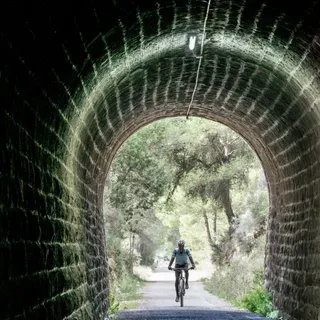
Spain has a strong culture of road cycling, and drivers in rural areas — particularly in the north — are generally respectful of cyclists. The main safety considerations are the heat (avoid mid-afternoon riding in summer), traffic on busy tourist coastal roads in peak season, and the length of some remote meseta sections where services can be sparse. The Camino de Santiago routes are busy with cyclists in summer and have good waymarking and regular pilgrim hostels (albergues). Spanish cycling infrastructure is improving, with dedicated greenways (vías verdes) on former railway lines providing safe, traffic-free alternatives across many regions.
Are there hills?
Spain contains dramatic extremes. The central meseta is genuinely flat — you can ride 100 km with barely a metre of climbing across the wheat fields of Castile. The Pyrenees in the north include some of the most fearsome climbs in European cycling. The Camino Francés begins with the steep crossing from St Jean Pied de Port before settling into more manageable Galician terrain. For a flat, traffic-free experience on converted railway paths, the Ojos Negros greenway requires almost no climbing at all.
Can beginners cycle in Spain?
The meseta sections of the Camino routes are accessible to beginners — the terrain is flat, the waymarking is excellent, and the pilgrim infrastructure (hostels, cafés, bike shops) is comprehensive. The main challenge on the Camino is daily distance and heat management rather than climbing. For the gentlest first experience, the Ojos Negros greenway is an excellent choice: traffic-free, well-surfaced, and with dramatic sierra scenery without any demanding climbs.
What is the Camino de Santiago actually like to cycle?
The cycling Camino (Camino en bici) is a profoundly different experience from walking it — distances that take walkers a month are covered by cyclists in 10–14 days. The Camino Francés mixes tarmac roads, gravel tracks and dedicated paths; a hybrid or gravel bike is more suitable than a lightweight road bike. The pilgrim culture of the Camino — the stamps, the albergues, the camaraderie, the final arrival at the cathedral square — applies as much to cyclists as to walkers. Many cyclists describe it as the most meaningful journey they have ever taken on a bike.